


The Airport of Tomorrow: Exploring Key Opportunities in the Airport Operations Market
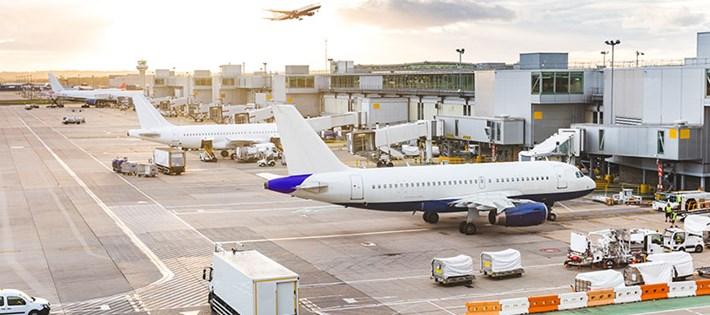
The airport operations market, a cornerstone of global connectivity, is on the verge of a major technological leap, creating a landscape rich with opportunities to build the smarter, more efficient, and more passenger-centric airports of the future. The most profound of these emerging Airport Operations Market Opportunities lies in the creation of a truly seamless and biometric-enabled passenger journey. The current airport experience is often a series of frustrating queues and repetitive document checks. The opportunity is to create a "walk-through" experience where a passenger's face becomes their passport and their boarding pass. This involves deploying a single, interoperable biometric identity management platform across the entire airport. A passenger would enroll their biometric data (e.g., a facial scan) once, either at home or at the first touchpoint in the airport. From that point on, they could move seamlessly through bag drop, security, lounge access, and boarding, with facial recognition cameras automatically verifying their identity at each checkpoint without them needing to present any physical documents. The vendors who can provide the secure, scalable, and privacy-respecting platforms to enable this end-to-end biometric journey will unlock immense value for both airports and travelers.
A second massive opportunity is the application of Artificial Intelligence (AI) and predictive analytics to optimize every facet of airport operations. The modern airport is a massive data generator, but much of that data is still underutilized. The opportunity is to use AI and machine learning to move from reactive decision-making to proactive and predictive management. For example, an AI platform could analyze real-time passenger flow data from cameras and Wi-Fi sensors to accurately predict congestion at security checkpoints or immigration halls, allowing the airport to dynamically allocate staff and open more lanes before long queues form. In airside operations, an AI could analyze historical data and real-time conditions to more accurately predict an aircraft's "off-block" time, leading to more efficient departure sequencing and reduced taxi times. AI-powered computer vision can also be used for automated airside inspections, using drones or vehicles to scan runways for foreign object debris (FOD) or to inspect aircraft for visible damage.
The third major area of opportunity is in enhancing sustainability and creating the "green airport." Airports are under intense public and regulatory pressure to reduce their environmental footprint. This creates a huge market for technologies and operational strategies that can improve sustainability. This includes opportunities for advanced energy management systems that use AI to optimize the heating, cooling, and lighting of the massive terminal buildings. It involves the deployment of electric ground support equipment (eGSE)—such as electric baggage tractors and belt loaders—and the software platforms to manage their charging and deployment. A key opportunity is in optimizing aircraft movements on the ground to reduce fuel burn and emissions. This can be achieved through more advanced surface management systems that minimize taxi times and runway queuing, and by providing aircraft with ground power (e-GPU) and pre-conditioned air (PCA) at the gate, which allows them to shut down their carbon-intensive auxiliary power units (APUs). The vendors who can provide solutions with a clear, quantifiable impact on an airport's sustainability goals will have a major competitive advantage.
Finally, there is a significant opportunity to create new non-aeronautical revenue streams through a more personalized and data-driven approach to the commercial and retail experience. The revenue from shops, restaurants, and parking is a critical part of an airport's business model. The opportunity is to use the airport's mobile app and Wi-Fi network to engage with passengers and deliver personalized offers. By understanding a passenger's journey—their destination, their dwell time in the terminal, and their past purchasing behavior—the airport can send them highly targeted and relevant offers. For example, a passenger with a long layover could receive a digital coupon for a discount at a sit-down restaurant, while a passenger rushing to their gate could be offered a "click-and-collect" deal for a quick coffee and sandwich. By transforming the airport from a simple transit hub into a sophisticated, data-driven retail environment, operators can significantly increase their commercial revenue per passenger.
Top Trending Reports:
 Deutsch
 English
 Arabic
 French
 Spanish
 Portuguese
 Turkish
 Dutch
Dutch
 Italiano
 Russian
 Romaian
 Portuguese (Brazil)
 Greek
Greek